
Treat Your Church Website Like a Front Door, Not a Bulletin Board!


How churches can reach spiritually curious people before Sunday and start real relationships online
Phil Thompson and Steve Lacy kicked off episode 504 of the Church Solutions Podcast the way they usually do: a little friendly banter, a little truth, and a guest who brings the heat.
That guest was Kenny Jahng (CEO of MinistryLink, Editor-in-Chief of ChurchTechToday, StoryBrand Certified Guide), and his big idea is simple to say but challenging to implement:
Most churches are missing the “pre-Sunday window.”
In other words: people are searching for hope on Tuesday night… and our websites are basically replying, “Cool. See you Sunday at 9.” 😅
Let’s unpack what Kenny means, why it matters, and what your church can do this week to stop losing spiritually curious people at the exact moment they’re most open.
What is the “pre-Sunday window”?
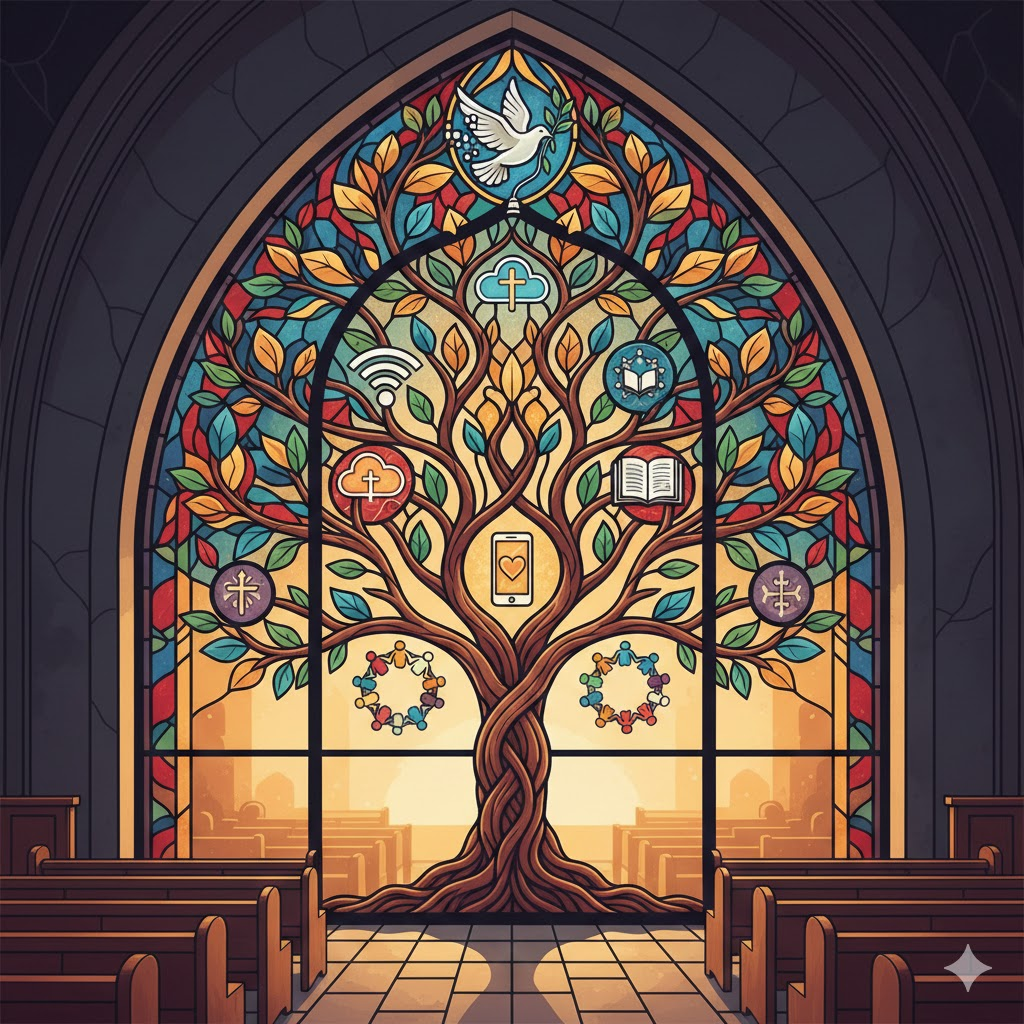
Kenny describes the pre-Sunday window as the time when someone is spiritually curious but not ready to attend a service.
They’re not asking, “What time is your service?”
They’re asking:
- “How do I stop feeling anxious all the time?”
- “Why does my marriage feel like a business contract?”
- “How do I find purpose in my work?”
- “How do I talk to my kids about life and faith?”
- “Is there any hope left for me?”
And here’s the key: they’re asking those questions online, on their phone, in private, at the speed of modern life.
Kenny’s point is that churches often wait too long to be helpful. We wait until people show up in the building. But today, the first “visit” usually happens digitally.
So if your website is mostly service times, staff photos, and sermon series graphics, you’re essentially telling people:
“We don’t help with real life until Sunday.”
And most people won’t wait six days for help.
The uncomfortable truth: Church websites can feel like “bait and switch”
Kenny drops a spicy line: for many seekers, church websites feel like a bait and switch.
Not in a malicious way. More like this:
- Someone shows up with a real need.
- They click around hoping for clarity or help.
- They realize the “answer” is basically: Come to our building for the full experience.
Kenny compares it to a timeshare pitch:
- “Want the prize?”
- “Show up at a specific time and place.”
- “Sit through the presentation.”
- “Maybe you’ll get what you came for.”
That might sound harsh… but it reveals something important:
Many church websites are built as invitation engines, not service engines.
And in a world trained by Amazon-speed expectations, “Wait until Sunday” is not a compelling digital strategy.
Why younger generations are responding differently right now
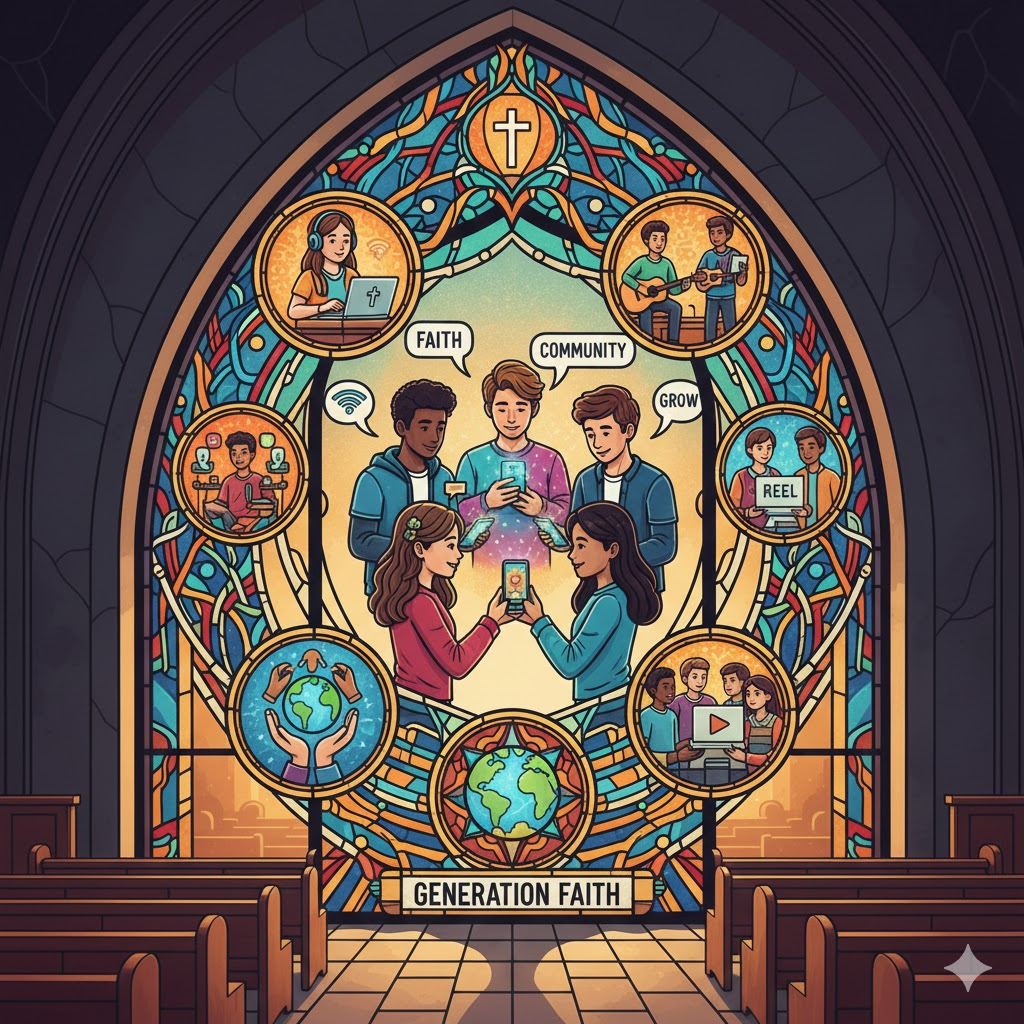
Later in the episode, Phil asks why younger people seem to be showing up at church more than in recent years.
Kenny’s take: younger generations are feeling the instability of modern culture more intensely:
- acceleration of tech and AI
- fractured community
- loneliness
- anxiety and depression
- nonstop crisis-news in your pocket
- fear of being left behind (Kenny calls it “fear of looming obsolescence”)
That combination creates a hunger for:
- meaning
- hope
- belonging
- mentoring
- real relationships
And Kenny says something important:
The church may be the only remaining place in the public square built for genuine community.
But to meet that moment, churches have to learn how to start relationships earlier, online, before a weekend visit ever happens.
The strategy shift: Your goal is a conversation, not a seat
This might be the most practical line in the whole episode:
“Your objective in church marketing today is to get someone to a coffee, not to the church.”
Because the moment someone is willing to talk, meet, ask questions, or be known… that’s the beginning of trust.
A first-time Sunday visit can be a big leap. But a simple next step like:
- “Want to grab coffee?”
- “Join a low-pressure Q&A online”
- “Come to pizza with the pastors”
- “Hop on a monthly ‘office hours’ livestream”
…removes friction and opens the relational door.
Blogs are back (and not just because of Google)
Steve brings up blogs, and Kenny basically says: yes, and even more now.
Not because blogs are trendy again, but because the way people discover information has changed:
- Google results now include AI summaries and “AI Overviews”
- People are using tools like ChatGPT, Perplexity, Gemini, and others to ask questions
- Search is becoming “answer-first,” not “link-first”
Which means if your church creates content that genuinely helps people, you’re not just trying to rank in classic search.
You’re trying to show up wherever people ask questions.
In Kenny’s words: blogs help with traditional SEO, but they also help your church become discoverable in the growing ecosystem of AI-driven search and recommendations.
What is FrontDoor and how does it help?

Kenny’s solution to this “pre-Sunday gap” is a tool called FrontDoor (frontdoor.church).
The concept:
- Churches get access to a growing library of felt-need resources (he mentions 60+)
- Resources are unbranded so churches can use them immediately
- Churches can embed them on their site or use built-in landing pages
- When someone downloads a resource, it collects an email (with a real reason to do so)
- An automated email follow-up sequence nurtures the relationship
- Churches can edit emails, add their own, or create sequences for custom content
Examples of resource topics mentioned:
- “How to fight fairly about finances with your spouse”
- “Finding meaning at work”
- “Conversations you should have with your kids”
- “Letting go of anger”
- “Finding purpose in singleness”
This is a big shift from “Sign up for our newsletter” (which many people assume means “sign up to be spammed”).
Instead, it’s generosity-first:
Give something helpful. Earn trust. Start the relationship.
Kenny describes it like reciprocity:
When you lead with value, people become more open to connection.
Or as he jokes: “It’s kind of like a Costco sample… but from Jesus.”
Hard not to remember that. 😄
The human core: noticed, known, and loved
Near the end, Steve shares something his church repeats often:
People need to be noticed, known, and loved.
That’s the bullseye.
FrontDoor is not really about content for content’s sake. It’s about building a digital system that helps your church do what the church has always done:
- notice people earlier
- know what they’re carrying
- love them with something practical and real
- invite them into conversation, not just attendance
Practical next steps for your church this week

If you want a simple action plan based on this episode, here’s a clean starting point:
- Pick 5 felt needs common in your community
(stress, marriage, parenting, loneliness, purpose, grief, addiction, finances) - Create a “Help” section on your website
Not “Resources” as a dumping ground. A real front door:- “Marriage”
- “Parenting”
- “Anxiety”
- “Life & Purpose”
- “Prayer & Support”
- Offer one genuinely useful download
Something practical, short, and not churchy. A guide someone would share with a friend. - Set up an email follow-up that feels human
- “Hey, I’m glad you found this.”
- “If you want to talk, reply to this email.”
- “Can I pray for you?”
- “Here’s one more helpful thing.”
- “Want to grab coffee?”
- Create one low-pressure conversation on-ramp
Monthly online Q&A, “meet the pastor” office hours, pizza night, coffee invite, whatever fits your culture.
Closing thought
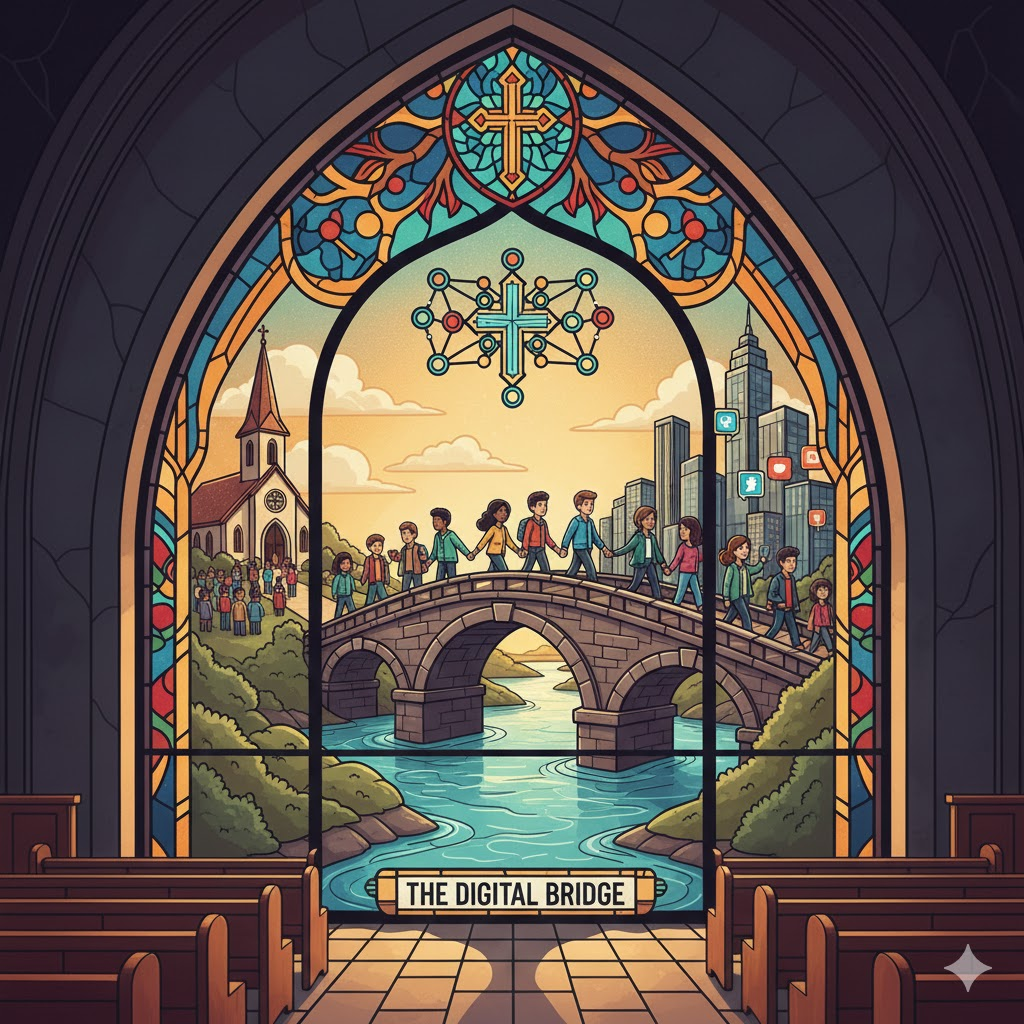
Sunday is still important. Gathering still matters.
But the way people arrive at Sunday has changed.
Your website is not just a billboard. It can be a bridge.
And if you treat it like a front door, you might find more people walking through… because you met them where they actually live: in the moment they needed help.
Your ministry has a message; we have the tools to help the world hear it. Serving churches for 25 years, StreamingChurch.tv provides more than just a platform—we provide a partnership. See what’s possible at StreamingChurch.tv.