An interview with StreamingChurch.tv founder Steve Lacy
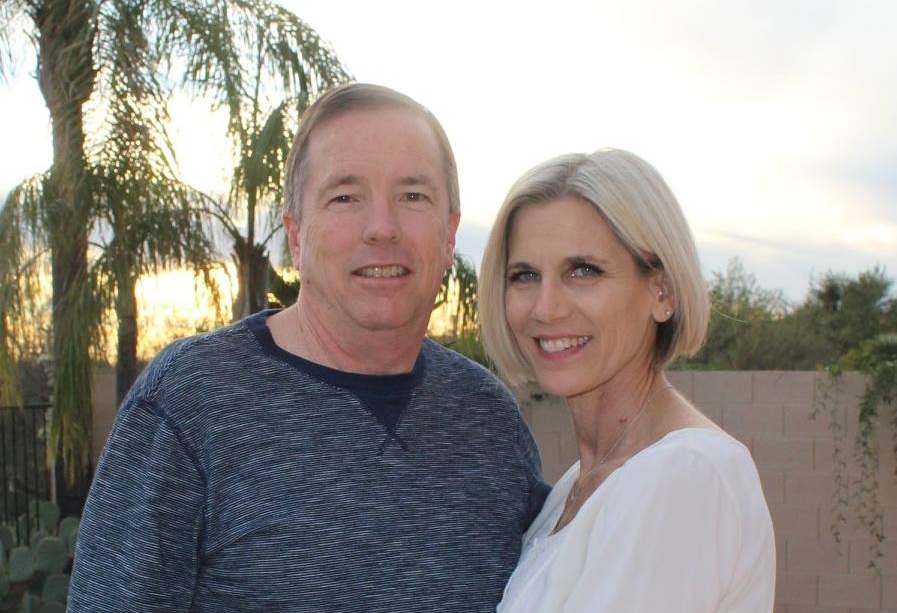
After 500 episodes of the Church Solutions Podcast, you’d think we’d be out of things to talk about. But this milestone felt like the perfect time to flip the script. Instead of talking about the latest tech trend or ministry tool, Phil Thompson turned the mic on Steve Lacy—engineer, entrepreneur, husband, dad of four, grandfather of seven, and the brain behind StreamingChurch.tv, MyFlock.com, ChurchApplive.com, DailyDive365.com and more.
What followed was a funny, honest, and surprisingly practical conversation about calling, risk, family, and what it really looks like to build a business that serves churches.
The Early Days: When “Video Podcast” Meant a Futon and a Webcam
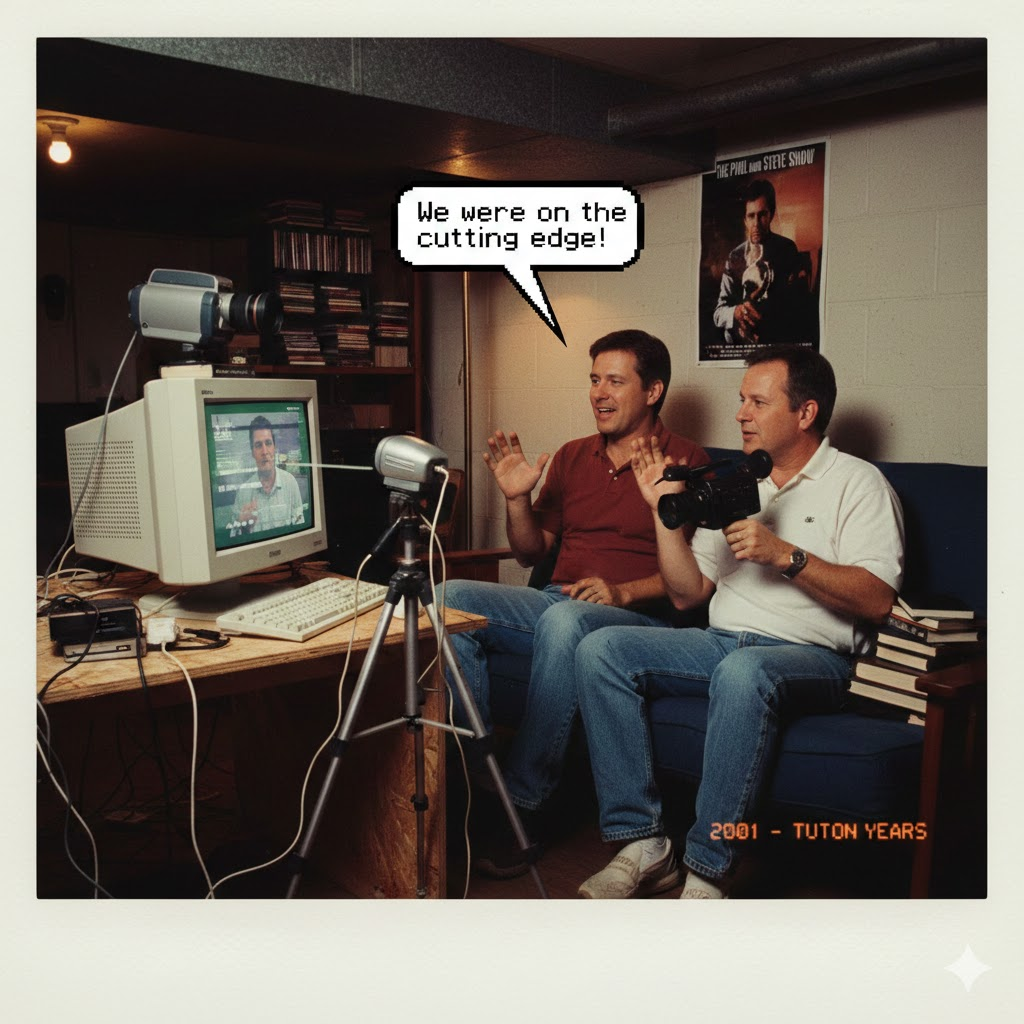
Long before “podcast studio” became a Pinterest aesthetic, Steve and Phil were doing a weekly live show—on a futon.
“We were on the cutting edge… we were doing video long before it was fashionable.”
In the early days, they:
Live streamed “The Phil and Steve Show” every week
Talked about streaming, ministry, and whatever else came to mind
Brought on guests in the most wonderfully “hacky” way imaginable
When they wanted to bring on non-local guests, there was no Zoom, Ecamm, or polished remote workflow.
So what did they do?
They put the guest on Skype, pointed a camera at the computer monitor, and manually switched back and forth between the monitor and themselves.
High-tech? Not exactly. Effective? Surprisingly often. Memorable? Absolutely.
Those rough early experiments would eventually grow into what many of you know today—StreamingChurch.tv and the Church Solutions Podcast you listen to each week.
Steve’s First “Startup”: A Lawn Mowing Empire at Age 12
Before aerospace engineering and streaming platforms, there was… grass. Lots of it.
As a kid, Steve started mowing lawns with his dad’s new self-propelled mower. One lawn turned into two, then three, then ten.
He charged $4 to mow and edge the front and back yard.
As demand grew, so did his prices—eventually up to $10 for the later customers.
He even recruited friends to help, splitting yards between the front and back.
One friend got a little too “creative” and famously cut a large four-letter word into someone’s front yard with the mower. (Yes, he had to fix it.)
But even in this small teenage venture, a pattern was already emerging.
“If you can provide a good service for a reasonable price, and you’re willing to work, people will take you up on it.”
That simple, early lesson would carry straight into his career, side projects, and eventually, the tools many churches rely on every week.
From Aerospace Engineering to “The Internet Before the Internet”
Steve’s first career wasn’t in church tech—it was aerospace engineering.
He worked at a large aerospace company right when computer-aided design (CAD) and computer-aided manufacturing (CAM) were emerging. This meant:
Early access to high-end engineering workstations
Learning 3D modeling when most people were still drafting on paper
Even sending 3D design files over networks before web browsers existed
“I like to say I was on the internet before there was an internet.”
He also got to work with early 3D printing, back when the printers were hundreds of thousands of dollars and only big companies could afford them.
All of this did something important: it pulled a mechanical engineer into the world of software.
That combination—mechanical problem-solver plus software tinkerer—became the foundation for what would eventually become JSL Solutions and all the ministry tools that grew out of it.
The Birth of MyFlock.com… and a Second Job
Fast forward to 2001.
The dot-com bubble had burst. People were chasing stock options in startups, hoping to become millionaires overnight. Some of Steve’s coworkers left aerospace for tech companies in healthcare and beyond, paid less salary in exchange for “future upside.”
Meanwhile, Steve quietly started something else on the side: MyFlock.com—a web platform to help churches stay connected online.
He kept his aerospace job. MyFlock was the “side hustle” that slowly grew. Then came more:
StreamingChurch.tv – live streaming tools for churches
ChurchApplive.com – mobile app with ministry tools and resources
DailyDive365.com – turning sermons into daily content
And more along the way
For years, Steve worked two jobs:
Aerospace engineer by day
Church tech entrepreneur by night and weekend
His wife put it simply:
“I’m just seeing the back of your head all the time now.”
Even then, family stayed a priority—but the workload was heavy.
The Crossroads: When the Side Job Matches the Day Job
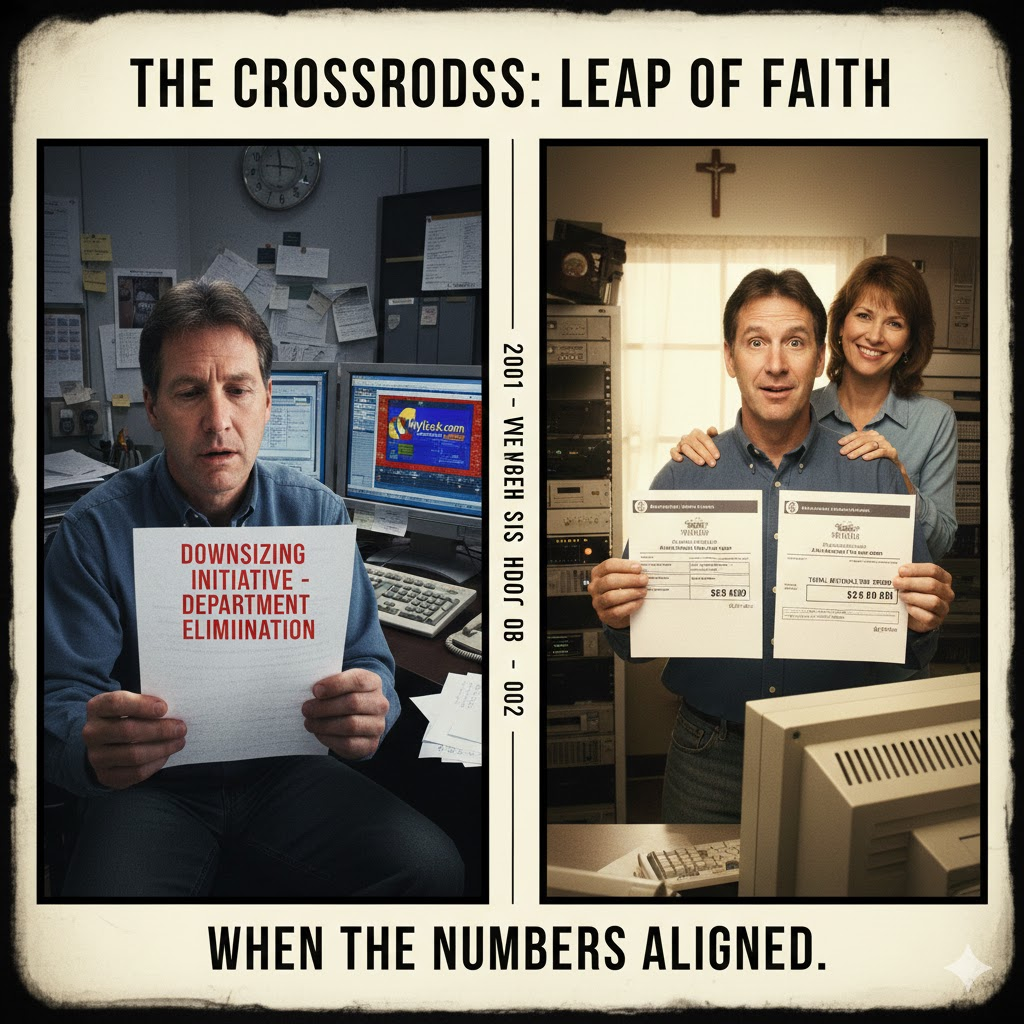
The “aha” moment didn’t come from a motivational quote. It came from a downsizing memo.
Steve’s aerospace organization was being eliminated. At the same time, something interesting was happening: the income from his side business was matching (or beating) his main job.
He had a choice:
Chase another aerospace position
Or take a leap of faith into the church-tech world full-time
“I was very stressed, prayed about it, and decided it was just a God thing.”
Looking back, that scary season turned into a clear turning point. What felt like a crisis in the moment became, in hindsight, a door God was nudging open.
By the end of 2012, Steve stepped fully into running JSL Solutions, (our parent company), and its church-focused platforms full-time.
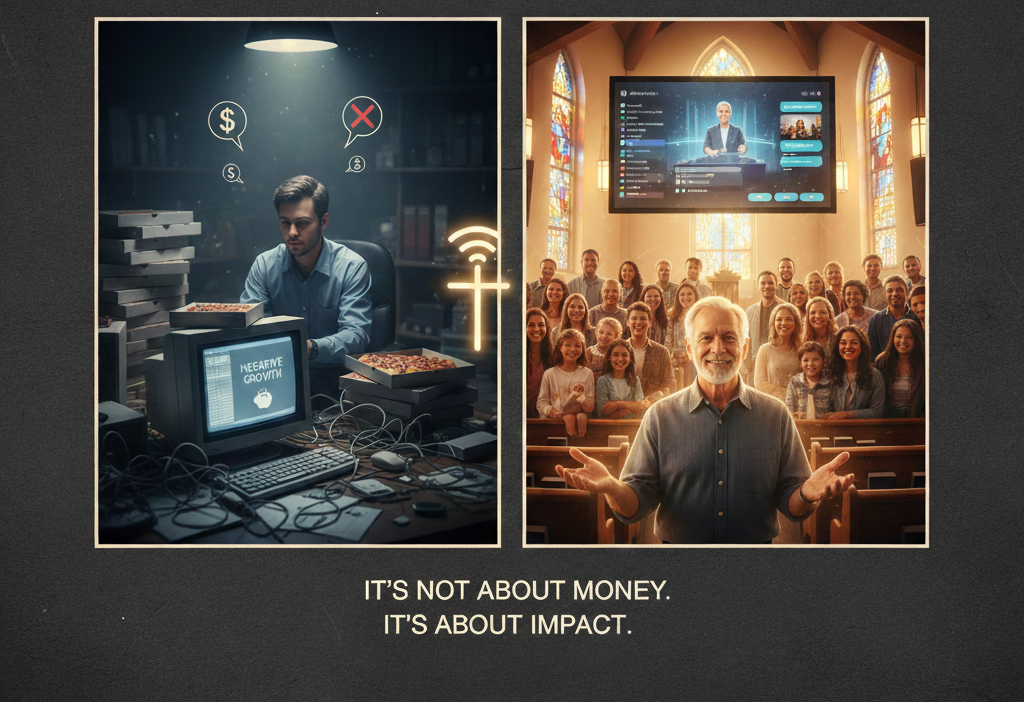
Why Serve Churches When “There’s No Money in the Church”?
Steve remembers listening to author Dan Miller say, “Don’t go into serving the church—there’s no money there.”
And in one sense, that’s not wrong. Many churches do struggle financially.
But Steve’s perspective now?
“I feel very fortunate that all we do is work with the church.”
Is it a different business model than mainstream SaaS? Yes.
But there are huge upsides:
Churches are typically responsive, diligent, and honest.
When they face financial trouble, most want to work things out.
You deal with far fewer people trying to game the system or act in bad faith.
Has everything been perfect? Of course not. There have been a handful of difficult situations, angry pastors, and the occasional “unscrupulous” person.
But overall, the experience has been radically different (and healthier) than many stories you hear from the startup world.
Building a Business and a Family That Still Likes Each Other
Here’s something you don’t always see in entrepreneur stories: a healthy family on the other side.
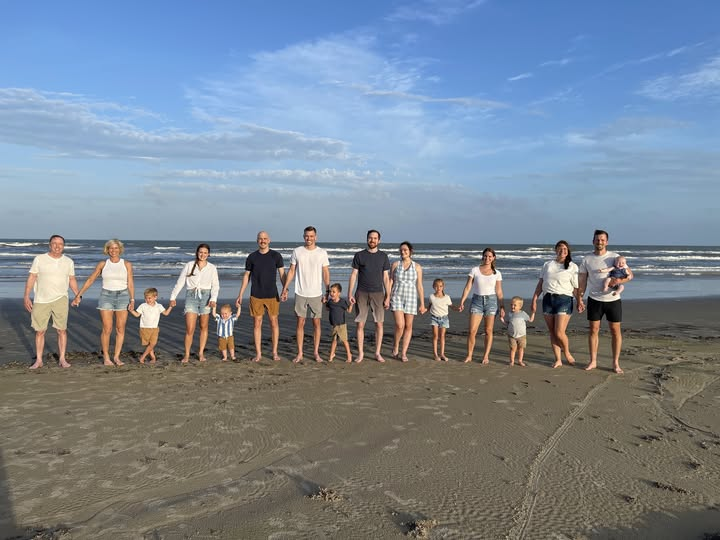
Steve and his wife are approaching their 40th wedding anniversary, and they’re celebrating by going back to their honeymoon spot in Hawaii.
They have:
Four sons – three engineers and one dentist
All married
All living in the same town
And as of this episode… seven grandchildren
Some of his kids have followed very similar paths:
One is a software developer with his own side business.
One owns a growing dental practice with multiple offices.
One left the same aerospace company Steve did to become a full-time YouTube creator/influencer.
“I’ve read those stories where someone builds a company but their family is in the dumps. I’m very blessed—that’s not our story.”
Was it easy? No. There were long nights and seasons when his wife mostly saw the back of his head. But family remained a priority, and the long-term fruit of that is hard to miss.
The One Piece of Advice He’d Give His Younger Self
So what would the 2025 Steve say to the 2001 Steve who just launched MyFlock.com?
“I probably would have recommended hiring out specialty expertise sooner than I did.”
Like many engineers, Steve is a DIY guy. If he could figure it out, he would. Need design? Learn it. Need infrastructure? Build it. Need marketing tech? Tinker till it works.
Looking back, he’d still be careful and bootstrapped—but he’d bring in experts earlier for certain things:
Design
Specialized development
Marketing & branding
Other niche expertise
Why?
“It probably would have accelerated things for me… I know I could do it myself, but there are people who do this all day long.”
Even so, he doesn’t sound regretful. The company has grown steadily as a bootstrapped, positive-cash-flow business from the very beginning:
Renting servers for maybe $30/month
Bringing in $100/month from early customers
No outside investment
Just a slow, consistent build focused on serving churches well
Impact That Makes the Work Worth It
Near the end of the episode, Steve mentions one of the quieter but more powerful indicators of impact: a database table of unique viewers.
“One of our tables has unique viewers… it’s got millions and millions and millions in there.”
That’s not just data—that’s people:
People watching online because they’re sick, traveling, or shut-in
People encountering Jesus for the first time in a stream
Volunteers learning, often fumbling, then finally getting it working
Churches growing their reach beyond their walls
And yes, sometimes those viewers saw buffering too. (We’re all still working on that part.)
But the impact is real—and that’s what keeps the StreamingChurch.tv team going.
Your Turn: What’s Your Biggest Challenge in Ministry Right Now?
To close the 500th episode, Phil shared something important: he recently emailed admin leaders asking a simple question—
“What is the biggest challenge you have in ministry right now?”
Not just tech. Any challenge.
Because behind all the servers, encoders, and apps, that’s what this work is really about—helping pastors and church teams overcome the obstacles in front of them, whether technical or not.
So let’s extend that same invitation here:
👉 What’s your biggest challenge in ministry right now? Tech, volunteers, communication, follow-up, outreach, discipleship—whatever it is, we’d love to hear it.
Or respond to one of our emails if you’re on the list
Or share your story when you listen to the podcast at 🔗 podcast.streamingchurch.tv
We may not always be the ones to solve it—but after 500 episodes and 20+ years, we know a lot of people who might be able to help.
Steve Lacy and Phil Thompson on an off-road adventure above
Thank you for being part of the journey—whether you’ve watched a stream, listened to an episode, or trusted us to help your church go online. Here’s to the next chapter… and to episode 501.