Volunteer Burnout is Real: How to Simplify Your Tech Setup Without Losing Quality

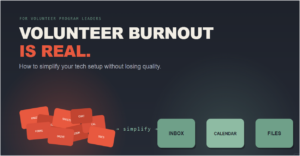
If your Sunday morning stream feels like a high-stakes broadcast production that requires a seasoned crew of four, five, or six people just to keep the image on screen, it is time to have a hard conversation.
The most common cause of volunteer turnover in church tech isn’t the equipment—it’s the complexity. When your team spends more time managing intricate routing, troubleshooting faulty hardware, and stressing over complex scene transitions than they do engaging in worship, burnout becomes inevitable.
The good news? You don’t need a professional studio setup to deliver a high-quality worship experience. Here is how you can streamline your workflow without sacrificing the impact of your broadcast.
1. Shift from “Streaming” to “Sustainability”
The primary goal of your tech setup should be reliability, not complexity. If your workflow requires a dozen manual steps to get a service live, you have a “fragile” system.
- Audit Your Steps: Map out every single click and connection needed to get the stream from the sanctuary to the screen. If a step doesn’t directly contribute to the quality of the message, eliminate it.
- The Power of Presets: Whether you are using vMix, OBS, or a hardware switcher, automate as much as possible. Use built-in scripting or “Macros” to trigger lower thirds, scene switches, and audio fades simultaneously. One button should do the work of three.
2. Standardize Your Hardware
Complexity thrives in environments where every component has a different interface or configuration.
- Consolidate Your Gear: Can you replace a complex array of audio mixers and video switchers with an all-in-one software solution? Reducing the number of physical devices reduces the number of points of failure and the amount of training required for your volunteers.
- Create “Cheat Sheets”: Don’t rely on your volunteers’ memory. Tape a simplified, step-by-step “Start-up and Shut-down” guide directly to the console or the desk. If the steps are written down clearly, the anxiety of “doing it wrong” vanishes.
3. Move to “Set and Forget” Audio
Audio is the single biggest stressor for church tech teams. Trying to ride faders in real-time for every musical instrument and vocal is a recipe for disaster.
- Invest in Processing: Use compressors and limiters on your vocal channels. If your audio board or software supports automatic gain control or intelligent mixing, use it. Your goal is to get the audio to a “safe” level where it’s always audible and never peaking, allowing your volunteer to focus on the overall mix rather than chasing every individual volume level.
4. Cultivate Community, Not Just Competence
Tech teams often operate as a silo. If your volunteers feel like they are “stuck in the back” working in isolation while the church worships, they will eventually disengage.
- The Tech Huddle: Start every Sunday with a 5-minute huddle. Share a prayer request, talk about what the sermon is covering, or share a win from the previous week. When the tech team feels like they are part of the ministry—not just the maintenance—they stick around.
- Create a Rotation: If you are asking the same two people to run tech every single Sunday, you are actively driving them toward burnout. Even a once-a-month rotation is significantly better than none.
The Bottom Line

Your congregation isn’t tuning in for a broadcast-quality TV show; they are tuning in to encounter God. If your tech setup is so complicated that it prevents your volunteers from encountering Him, it is too complex.
Simplify your systems, document your processes, and invest in the people behind the console. When you make the work manageable, you stop losing your best volunteers—and you start building a sustainable culture of excellence.
Ready to start simplifying? Start by identifying the one “pain point” that causes your team the most stress this Sunday, and brainstorm one way to automate it or remove it entirely before next week.
Need help? StreamingChurch.tv is here for you. Serving ministries since 2001.